Guide
How often does a rented property need an EICR?
Landlords in England generally need an EICR at least every five years, or sooner if the last report says so. Here is how it works in practice.
- Send a short enquiry
- Covering Essex
- EICR and related services
A rented property in England generally needs an electrical installation condition report (EICR) at least every five years, or sooner if the previous report recommends a shorter gap. A new report is also needed before a new tenancy starts if the existing one has run out. The rules can change, so check GOV.UK for the current position before you plan your inspection.
The five year rule explained
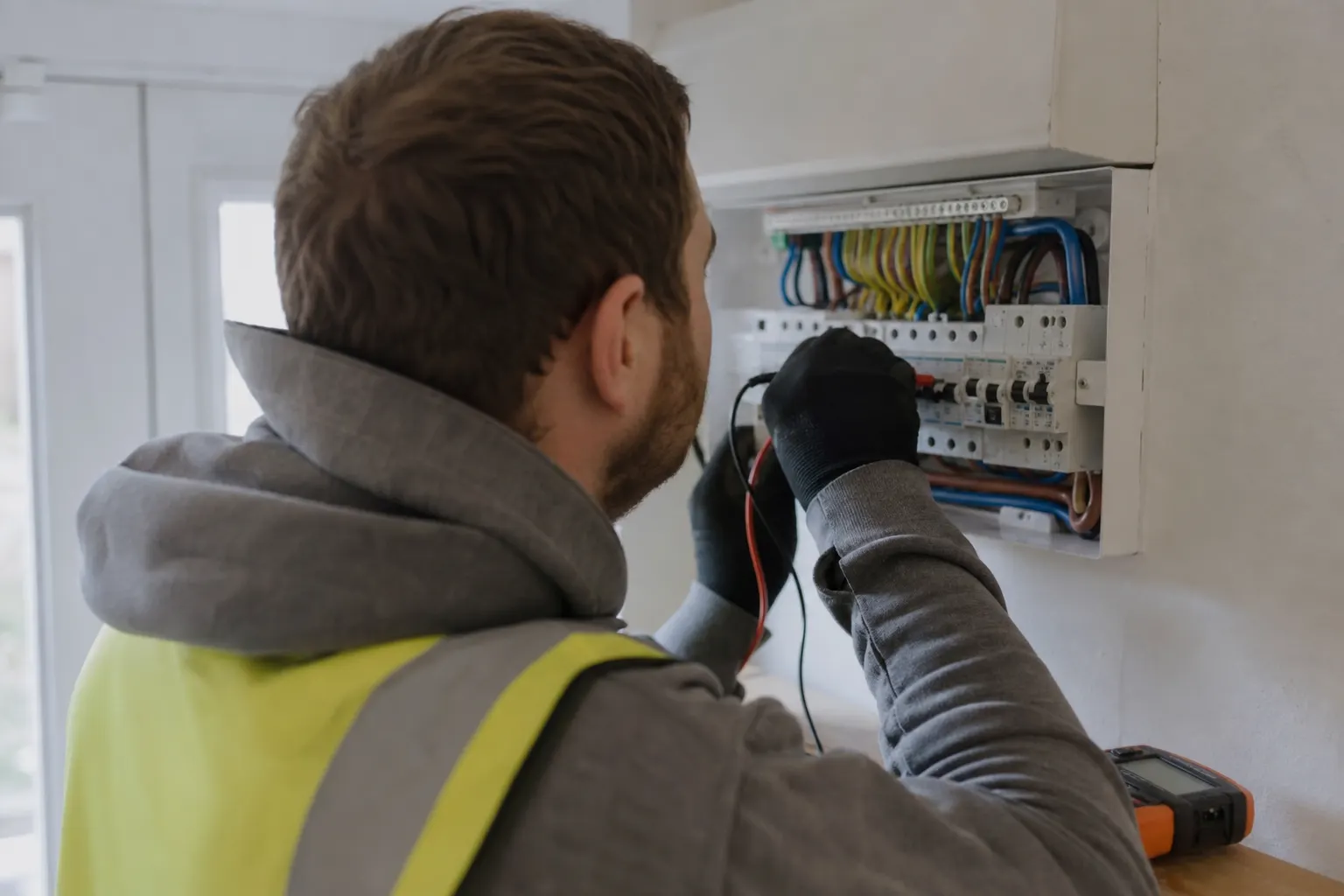
For most private rented homes, landlords in England must have the fixed electrical installation inspected and tested at intervals of no more than five years. The result is an installation condition report, often called a condition report EICR. It records the state of the wiring, consumer units, sockets, lighting circuits and earthing and bonding.
The five years is a maximum. The person who carries out the inspection decides on the recommended interval for the next one, and that can be shorter. If an older property, a tired installation or a history of problems leads them to recommend a shorter period, that is the date you work to.
This is a legal requirement for landlords, not a recommendation. Keep a copy of every report so you can show the dates.
When you need one sooner
The five year clock is not the only trigger. Common reasons for an earlier inspection include:
The last report gave a shorter recommended interval.
The previous report has expired, and a new tenancy is about to begin.
Significant electrical work, such as a new consumer unit or a rewire, has been done and you want the installation's condition properly documented.
Tenants have reported tripping circuits, burning smells, warm sockets or flickering lights.
It is sensible to diarise the expiry date well ahead, particularly if you have several rental properties. Booking at the last minute leaves no room if the report finds faults.
What the report tells you
An EICR gives an overall result of satisfactory or unsatisfactory. Any observations are coded. Some codes mean danger is present or potentially present, or that the issue needs urgent attention. Others mean further investigation is needed, or that improvement is recommended.
If the report is unsatisfactory, the landlord must arrange remedial work within the short deadline the rules set, and confirm in writing that it has been done. Fixing the problems and keeping the paperwork matters as much as the inspection itself.
Older consumer units are a frequent talking point. Whether yours needs replacing depends on its condition and what the inspector finds, not simply on its age. Ask the inspector to explain any code in plain language so you know what is required and what is advisory.
Who gets a copy and who can ask for it
Existing tenants should receive a copy of the report, and new tenants should have one before they move in. If your local authority asks for a copy, you must be able to provide it within the timescale they set. If you cannot, they can arrange the work themselves and may take further action.
Keep the report, any remedial work paperwork and the written confirmation that issues were fixed together in one place. If you change letting agent or sell the property, that bundle should go with it.
Planning the inspection
How long an inspection takes depends on the size of the property, the number of circuits, how many consumer units there are and how easy it is to reach sockets, fuse boards and fittings. Some circuits need to be switched off during testing, so tenants will need notice and the right to agree a suitable time.
For a rented home in Benfleet or elsewhere in Essex, give the inspector clear access, a note of any known faults and the previous report if you have one. When you ask for a quote, get it in writing and check what it includes, such as the report itself and whether any follow-up visits for remedial work are priced separately.
Ask to see the inspector's proof of competence and which scheme they are registered with. It is reasonable to ask before you book.
Common questions
How do I report unsafe electrical work?
If you are a tenant, tell your landlord or agent in writing first. If nothing happens, contact your local authority's housing or environmental health team. For work that looks poorly done, you can also ask a registered electrician to inspect it. In an emergency, switch off at the consumer unit if it is safe to do so and call the emergency services if there is fire or risk of shock.
Do landlords have to replace washing machines?
If the landlord supplied the appliance, they are generally responsible for keeping it safe and in working order, as set out in the tenancy agreement. Whether that means repair or replacement depends on the fault, the agreement and whether it can be fixed safely. Appliances are not part of the fixed wiring covered by an EICR, but a landlord should still make sure they are safe.
Do rented properties need hard wired smoke alarms?
Rules on smoke alarms in rented homes focus on having working alarms in the right places, not on a single wiring method. Hard wired, interlinked alarms are often a good option, but check GOV.UK for the current requirements, as the rules can change.
How often should electrics be checked in a rental property?
At least every five years through a full EICR, or sooner if the last report recommends it. Between inspections, landlords should act on faults tenants report, and tenants should tell the landlord about problems promptly.
Useful sources
- NICEIC: The electrical contracting body, with a register to check an electrician.
- GOV.UK: electrical safety standards in the private rented sector: The official guidance for landlords, tenants and councils on electrical safety checks.